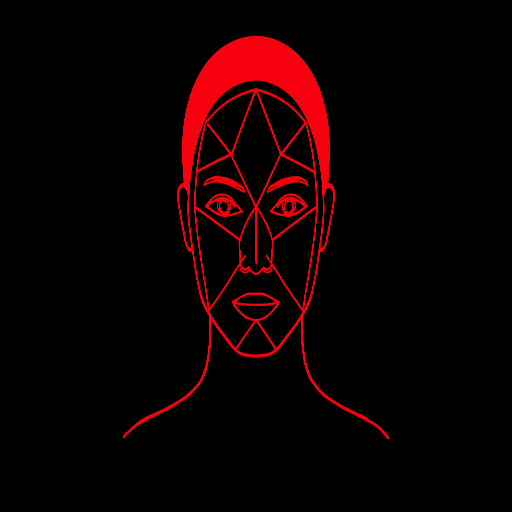
A practical guide to the seven face shapes
Compare oval, round, square, heart, diamond, oblong and triangle outlines with clear photos and without rigid beauty rules.
Descriptions, not boxes
These seven categories are familiar styling shorthand. They are not diagnoses, distinct biological types, or a hierarchy of attractiveness. The same person may have an oval overall outline with a square jaw, or prominent cheekbones and a heart-like taper.
Focus on the relationships you can see: length compared with width, where the outline is widest, and whether the lower corners feel rounded or angular. Then use the ideas as options to explore.
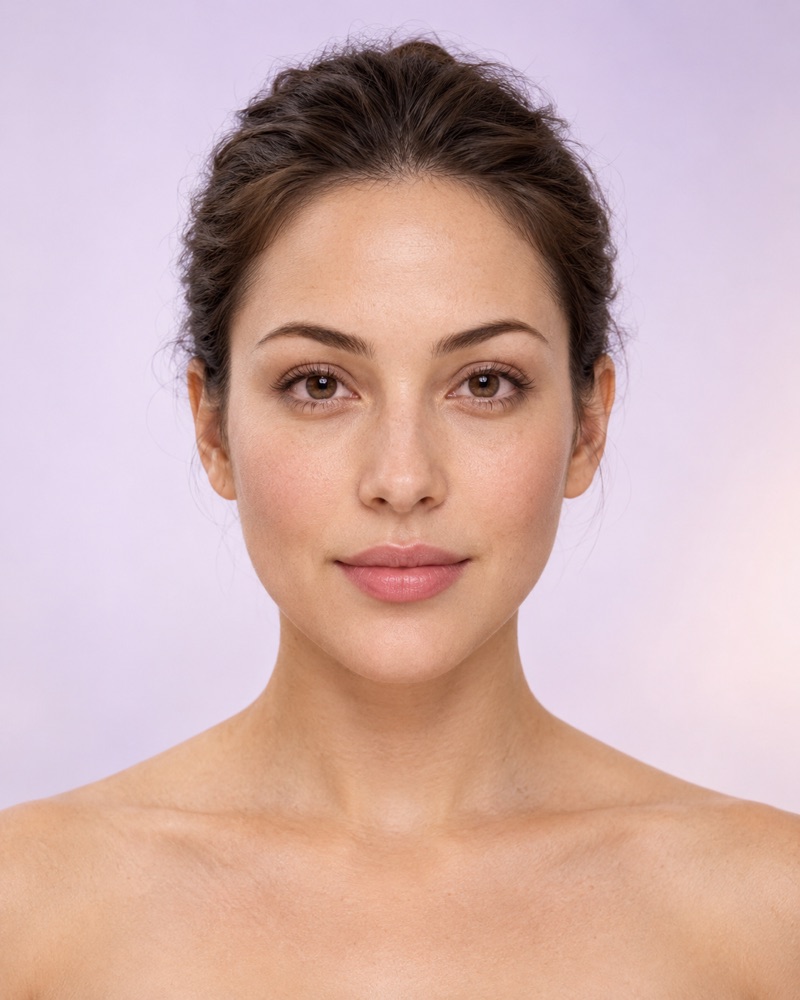
Oval
A longer outline with a gradual taper toward the chin.
Hair
Try a textured crop, a relaxed bob, or layers that follow your natural texture. Choose length by your routine, not a rule.
Glasses
Start with a frame about as wide as your cheekbones. Rounded rectangles are an easy comparison point; check bridge comfort first.
Beard
A short, even beard keeps the outline visible. Compare a tapered cheek line with fuller sides before committing.
Makeup
Follow your cheekbone with a light wash of blush. Add contour only where you want more shadow; no correction is required.

Round
A relatively compact outline with soft transitions at the jaw.
Hair
If you want a longer-looking silhouette, try a little height at the crown or an off-center part. A rounded bob is also an intentional choice.
Glasses
Compare a softly rectangular frame with a round frame to see whether you prefer contrast or repetition. Neither is a requirement.
Beard
For a more vertical silhouette, keep the sides tidy and a little more length at the chin. Work with your growth pattern.
Makeup
A slightly upward blush placement can draw the eye toward the temples. Blend in daylight and keep the effect as subtle as you like.
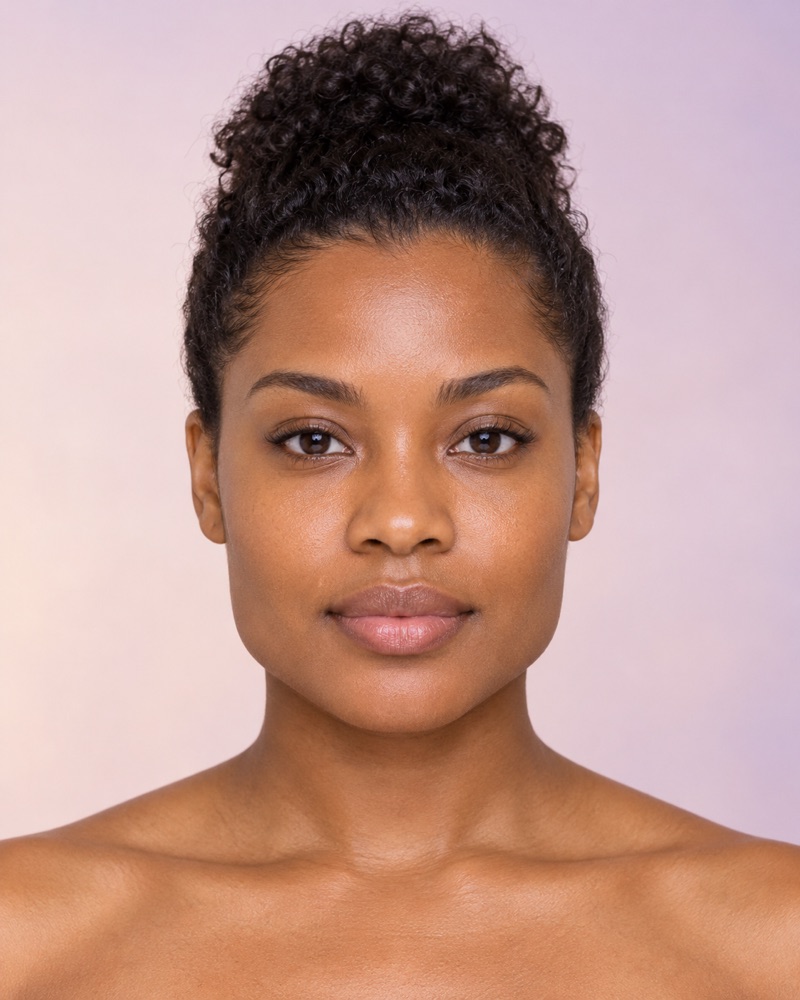
Square
Similar widths through the upper face and jaw, with more angular corners.
Hair
Waves and loose layers can contrast with the jaw; a geometric crop can emphasize it. Decide which effect you enjoy.
Glasses
Round or oval rims offer contrast, while angular rims echo the jaw. Check that the lower rim stays clear of your cheeks when you smile.
Beard
Try rounded edges at the lower corners if you want a softer silhouette. A close trim can keep your natural angles prominent.
Makeup
Blend a small amount of contour around the outer jaw only if you want softer-looking corners. Keep blush placement independent of the label.
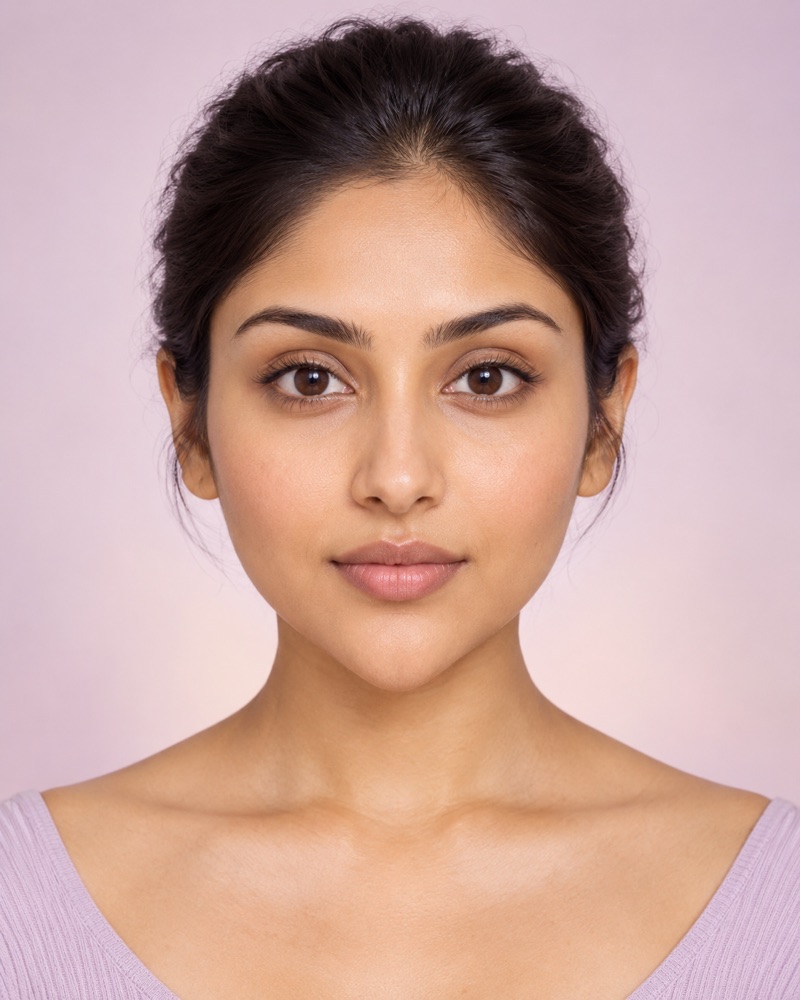
Heart
A broader upper face that narrows toward the lower jaw.
Hair
Chin-level texture or a side-swept fringe can shift attention toward the lower face. Ask your stylist to account for your hairline and density.
Glasses
Try a lighter upper rim or a softly rounded frame. Width, nose fit, and temple pressure matter more than matching a category.
Beard
A little fullness around the jaw can broaden the lower outline. Avoid forcing a style where your beard naturally grows sparsely.
Makeup
Try blush across the outer cheeks, blending gently toward the temples. A softer highlight can keep attention evenly distributed.

Diamond
Cheekbones stand out relative to the upper face and jaw.
Hair
A soft fringe or width around the temples can change the balance around the cheekbones. Compare tucked and untucked styles.
Glasses
Oval frames and softly lifted corners are useful starting points. Choose enough lens height without letting the frame rest on your cheeks.
Beard
Keep some fullness below the jaw if you want to echo the cheekbone width. A gradual taper is easier to adjust than a sharp outline.
Makeup
Place blush slightly above the cheekbone shadow and blend the edge. Emphasize or soften the cheeks according to your preference.
Oblong
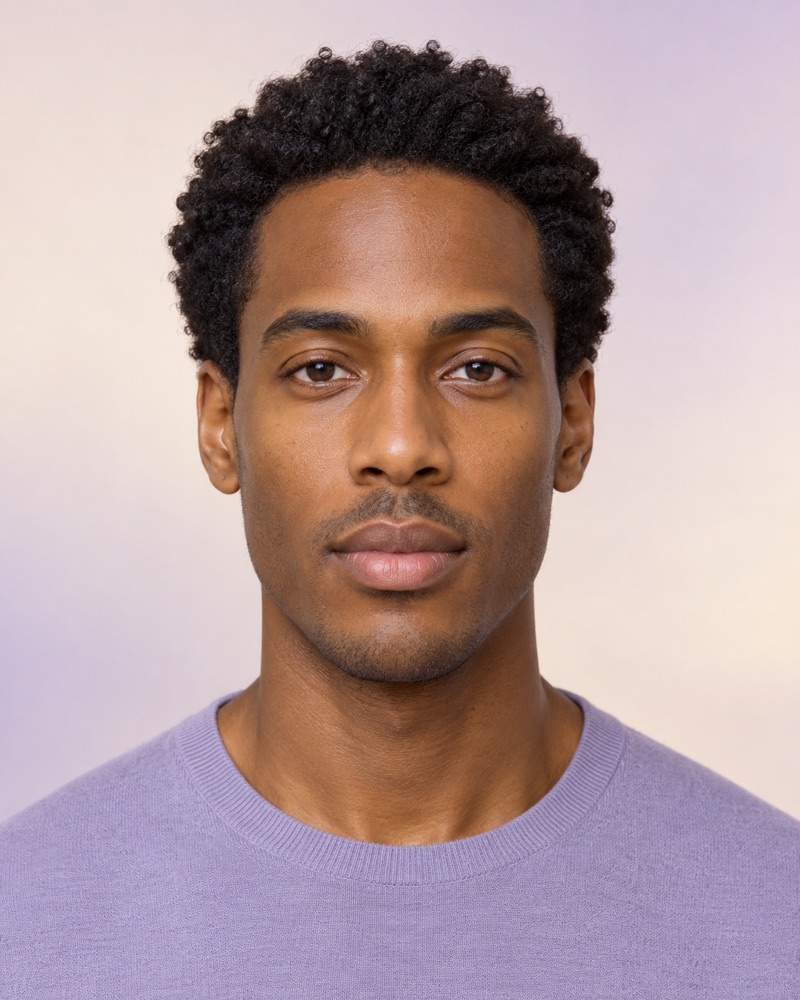
Length is more prominent than width in the visible outline.
Hair
A fringe, waves, or volume at the sides can interrupt a vertical silhouette. Less crown height may help if that is your aim.
Glasses
Compare deeper lenses and a defined top rim with narrower styles. A comfortably fitted frame should not slide when you look down.
Beard
Try fuller sides and a shorter chin if you want less vertical emphasis. Keep the neck line comfortable and easy to maintain.
Makeup
A more horizontal blush sweep can emphasize width. Avoid treating facial length as something that must be hidden.
Triangle
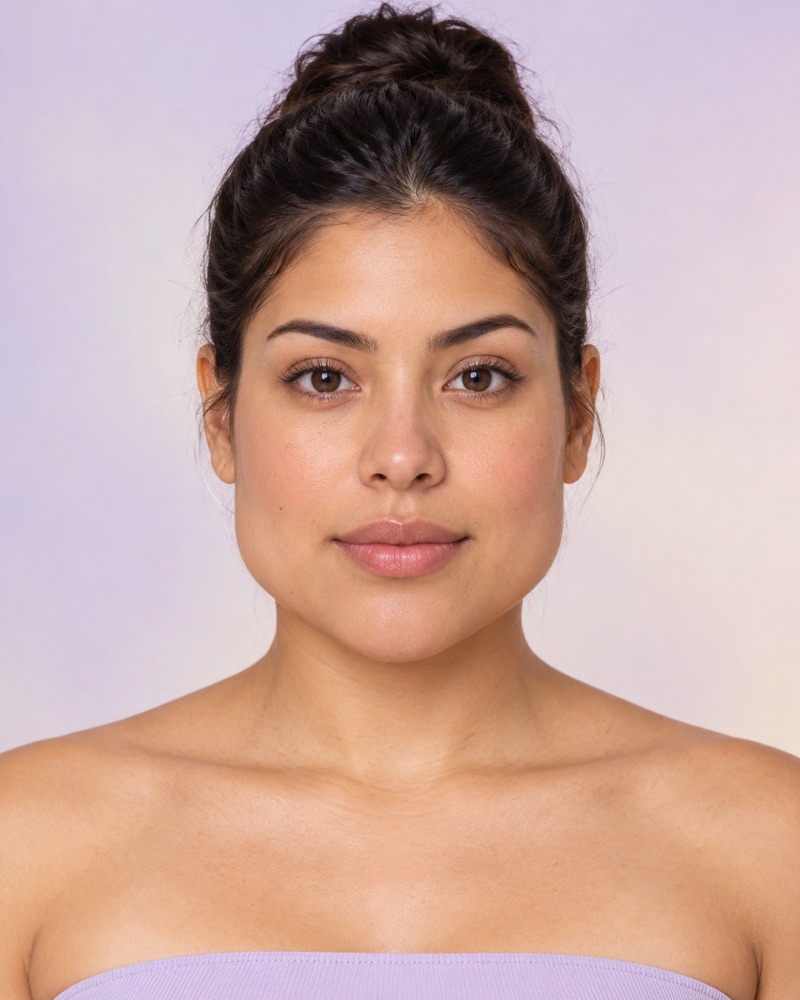
The lower jaw is broader relative to the upper face.
Hair
Texture around the temples or a fuller fringe can add width higher up. Consider your growth direction before choosing a part.
Glasses
An emphasized brow line or lifted outer corner can draw attention upward. Start by checking bridge fit and overall frame width.
Beard
Tapering the sides of a full beard can reduce extra width at the jaw. Short stubble is a useful low-maintenance alternative.
Makeup
Try a little highlight around the upper cheek and temple. Blend any jaw contour softly rather than drawing a hard edge.
Still between two?
Compare both profiles in the comparison tool. If the measured values are close to a rule boundary, changing the photo or a single measurement may change the label. You can borrow ideas from both without choosing one permanently.
Ready to explore your own proportions?
Try the photo analyzer or use the manual calculator. Keep the result in perspective: your style is yours to choose.