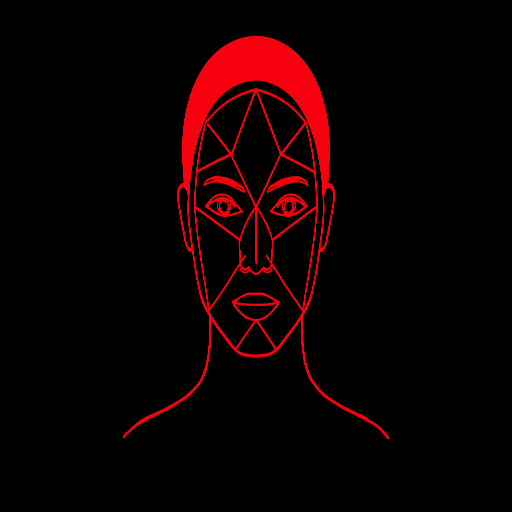
How to choose hairstyles by face shape—and hair reality
Use silhouette, texture, density and daily upkeep together instead of following a one-size-fits-all face-shape chart.
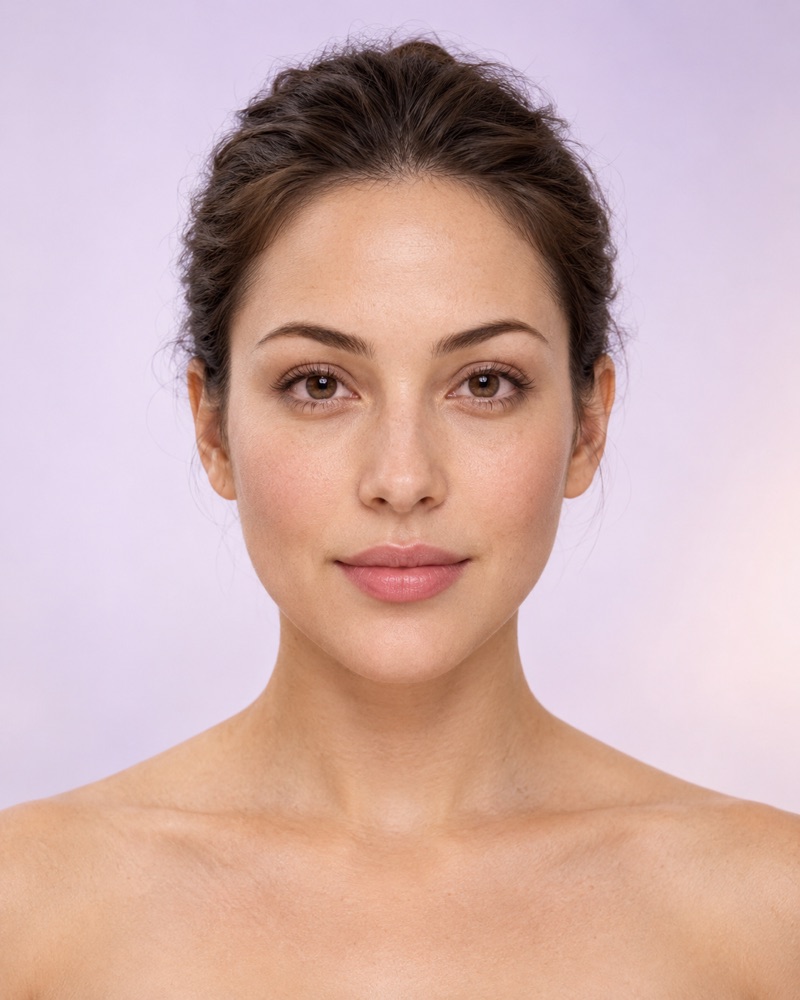

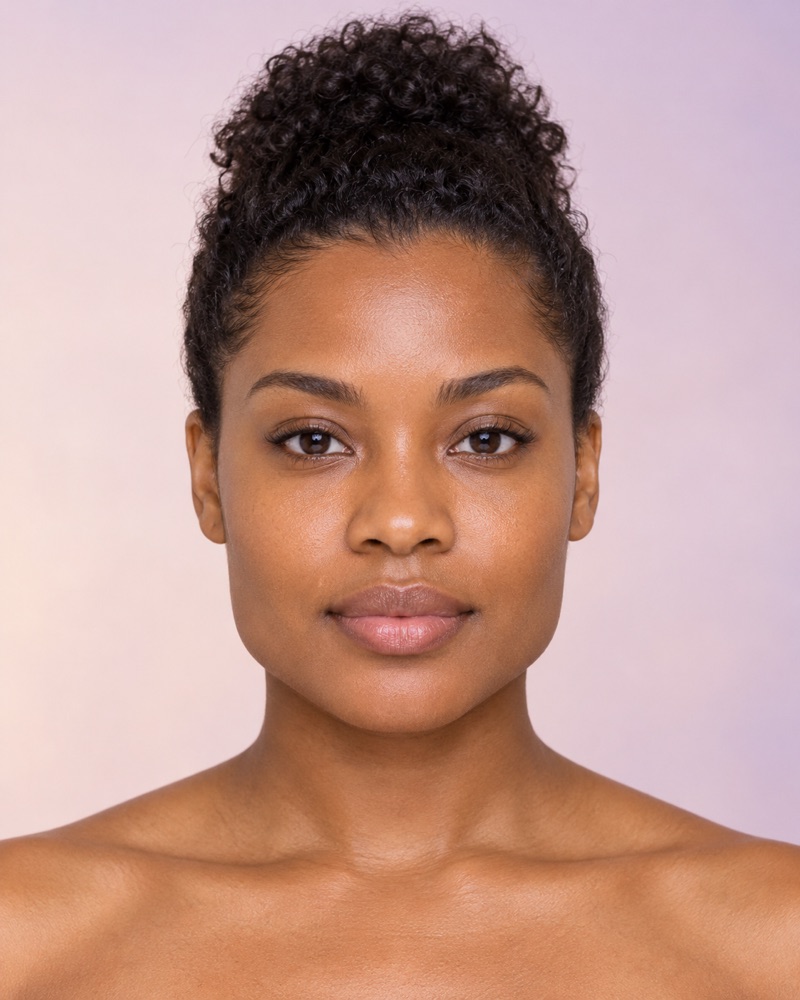
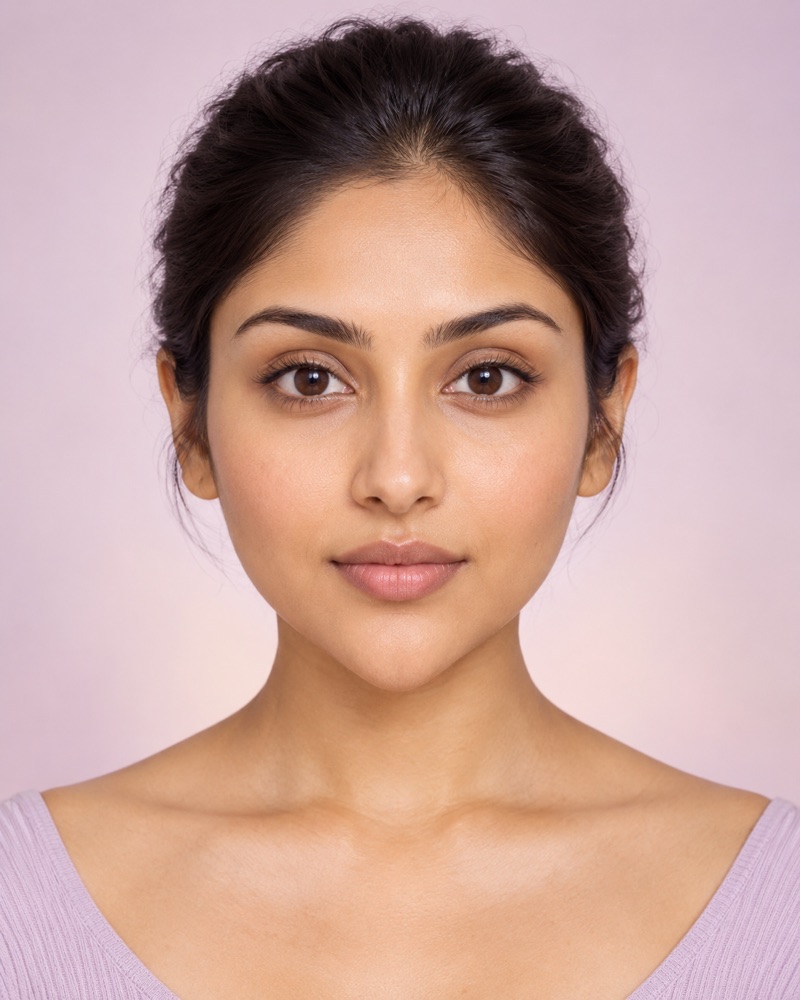
Face shape can help describe where a haircut places visual width, height or a diagonal line. It cannot tell you whether hair will hold that shape. Curl pattern, density, strand thickness, growth direction, shrinkage, climate and daily routine should be decided before a face-shape chart.
Four questions that prevent an impractical haircut
Texture
Will the reference behave like straight, wavy, curly or coily hair without daily heat?
Density
Does the cut need bulk removed, volume created or a sparse area handled carefully?
Routine
How many minutes, products and tools are realistic on an ordinary morning?
Effect
Do you want to add height, add side width, soften a line or deliberately emphasize it?
Hairstyle starting points for all seven profiles
Oval
Short, movable texture with a natural or slightly off-center finish.
It keeps the outline visible without adding unnecessary height.Full oval guide →Round
A quiff, lifted crop, or crown volume with tidier sides.
Vertical direction can make the overall silhouette feel longer.Full round guide →Square
Loose movement with broken-up ends around the jaw and shoulders.
Curved texture creates a gentle contrast with a defined outline.Full square guide →Heart
A bob that gains texture or fullness close to the jaw.
Volume lower down balances a stronger upper face.Full heart guide →Diamond
A curtain, wispy, or side fringe with movement near the temples.
It adds gentle presence above prominent cheekbones.Full diamond guide →Oblong
A forward, curtain, or side fringe that covers some upper length.
A horizontal break reduces uninterrupted vertical space.Full oblong guide →Triangle
Add width near the upper sides with texture, curls, or layers.
Upper-face presence balances a wider jaw.Full triangle guide →Translate a reference photo into instructions
Instead of saying “I want this whole haircut,” point to the specific feature you want: fringe weight, crown height, side volume, perimeter length, graduation or texture. Bring references with a similar natural texture and ask how the cut changes when air-dried. This turns a visual preference into a useful conversation with a stylist.
If you want more visual length
Explore crown height, a longer front, a diagonal part or layers that continue below the chin. Keep side width controlled only if that is your desired effect.
If you want more visual width
Explore texture at the temples or cheek-to-jaw area, a fringe that breaks vertical length, or a shape with a fuller side perimeter.
Salon checklist
- Show your natural texture and the styled reference.
- Explain how often you wash, heat-style and trim.
- Ask where the widest part of the finished silhouette will sit.
- Discuss cowlicks, hairline, shrinkage and glasses or headwear.
- Confirm a realistic grow-out plan before a dramatic change.
There is no forbidden haircut for a face shape. A recommendation only predicts a visual direction; it does not measure confidence, identity or attractiveness.
Ready to explore your own proportions?
Try the photo analyzer or use the manual calculator. Keep the result in perspective: your style is yours to choose.