The Best AI Face Shape Detector Tools in 2026 (Tried & Tested)

AI-powered face shape detection has genuinely changed the game. Upload a photo, get a result in seconds. No measuring tape, no math, no confusion. And in 2026, these tools have gotten impressively good.

But which ones are actually worth using? We tested the most popular AI face shape analyzer tools available right now — and here's the honest rundown.


How Does AI Face Shape Detection Actually Work?

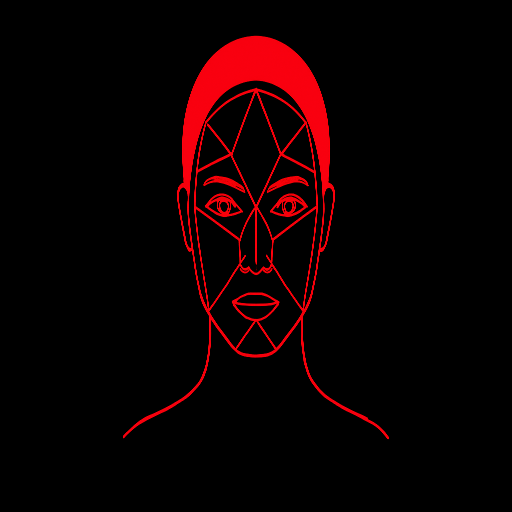
Good question. It's not magic, but it's genuinely cool tech. AI face shape detectors use a technique called facial landmark detection. The algorithm identifies dozens (sometimes hundreds) of key points on your face — the corners of your eyes, the tip of your nose, your chin, the outer edges of your cheekbones — and maps them like a constellation.

Once those landmarks are mapped, the system calculates the proportional relationships between them. It compares the width of your forehead to your jaw. The length of your face to its width. The prominence of your cheekbones. Based on these ratios, it classifies your face shape.

The best tools also factor in jaw angle, face symmetry, and even skin tone in some cases. Modern AI models have been trained on millions of faces, which is why they've gotten so accurate. 

What Makes a Good Face Shape Detector?

Before we get into specific tools, here's what separates the good ones from the mediocre:

        Accuracy — Does it consistently give the right result across different photos?

        Speed — Does it process your image in seconds or make you wait?

        Privacy — Does it store your photo or process it locally/securely?

        Clarity of results — Does it explain what your face shape means, or just give a label?

        Additional recommendations — Does it suggest hairstyles, glasses, or makeup tips based on your shape?

        Free vs. paid — Is the core analysis free, or locked behind a paywall?

Top AI Face Shape Detector Tools in 2026 

1. The Gold Standard: Dedicated Face Shape Analysis Platforms

The best face shape analysis tools in 2026 are specialized platforms built specifically for this purpose — not general photo editors with a face detection add-on. These tools are trained exclusively on face shape classification and tend to produce the most consistent, accurate results.

Look for platforms that provide a detailed breakdown of your measurements, not just a single word like 'oval.' The better tools will show you which specific measurements pushed the classification in a certain direction. That transparency builds confidence in the result. 

2. Hair and Beauty App Integrations

Many hairstyle apps now include a face shape detector as a core feature. The advantage here is obvious: the moment you know your face shape, you can immediately browse hairstyle recommendations tailored to it.

The downside is that face shape detection is often a secondary feature in these apps, not the primary one. Accuracy can be hit or miss, and the range of face shapes recognized is sometimes limited to four or five categories rather than the full seven.

3. Eyewear Brand Tools

Several major eyewear companies have built face shape detection directly into their online shopping experience. Upload a photo, get your face shape classified, and immediately see which frames are recommended for you.

These are genuinely useful tools — practical, fast, and directly connected to a shopping decision. The downside is that they're designed to sell glasses, so the recommendations naturally skew toward their own product range. 

4. Standalone AI Photo Analysis Tools

There's a growing category of general-purpose AI photo analysis tools that include face shape detection among many other features (like skin tone analysis, facial symmetry scoring, and even aging simulations).

These can be fun and interesting, but they're typically less accurate on face shape specifically because they're not specialists. They're designed to do many things at once, which can mean they don't do any single thing perfectly. 

How to Get the Most Accurate Result from Any AI Face Shape Tool

The tool matters, but so does the photo you upload. Here's how to set yourself up for the most accurate face shape analysis:

        Use a front-facing photo — straight on, not at an angle

        Pull your hair completely back so your forehead and hairline are fully visible

        Use natural lighting — soft, even daylight is ideal; avoid harsh shadows

        Neutral facial expression — no big smiles, raised eyebrows, or squinting

        Remove glasses, hats, or anything that obscures your face outline

        Make sure your full face fits within the frame — chin to hairline should all be visible

One photo might not always give the definitive answer, especially if your face is between two shapes. Take two or three photos in slightly different lighting and compare results.

AI Face Shape Detection vs. Manual Measurement: Which Is More Accurate?

Honestly? It depends on the tool and the person. For most people, a high-quality AI face shape detector is as accurate as manual measurement — and significantly faster.

Manual measurement has the advantage of being based on objective numbers. But it also has failure modes: most people don't measure correctly (measuring at the wrong point, applying incorrect tension to the tape measure) and self-measurement of certain points like cheekbone width is genuinely awkward.

AI detection has improved dramatically in recent years. The top tools are now accurate enough that for casual use — finding your face shape to guide hairstyle or glasses choices — they're completely reliable.

For professional applications like medical facial analysis or cosmetic surgery planning, human measurement by a trained professional remains the gold standard. But for everyday style decisions? AI detection is more than good enough. 

What Happens After You Get Your Result?

Getting your face shape classified is just the beginning. Here's how to put that information to work:

For Hairstyles

Your face shape is arguably the single most important factor in choosing a flattering haircut. Once you know your shape, look for hairstyle guides specific to it. The goal is almost always to move your overall look toward oval proportions — the shape most hairstylists use as the benchmark for balance.

For Glasses

Eyewear and face shape have a clear relationship. The general principle is contrast: rounded faces benefit from angular frames, angular faces benefit from rounder frames. Knowing your shape makes glasses shopping much more focused.

For Makeup

Face shape dramatically affects where contouring, highlighting, and blush placement look best. Round faces benefit from contouring along the sides to create definition. Square faces look great with softened temples. Once you know your shape, makeup tutorials become much more personally relevant.

Privacy Considerations When Using AI Photo Tools

This is worth addressing directly. When you upload a photo to an AI face shape detector, what happens to that image?

The answer varies by platform. Some tools process photos locally on your device and never send them to a server. Others upload images to a cloud server, process them, and then delete them. Some — particularly free tools — may retain images for purposes like training their AI models.

Before using any face shape analyzer, check the privacy policy. Reputable tools will be transparent about how they handle your photos. If a tool doesn't mention photo storage at all, that's a red flag.

Frequently Asked Questions

Are AI face shape detectors accurate?

The best ones are very accurate for most people. Accuracy can vary if photos are poorly lit, taken at an angle, or if hair obscures facial features. For the most reliable result, follow the photo guidelines above.

Can I use a face shape detector on my phone?

Yes. Most modern face shape analysis tools are mobile-friendly, and many are available as apps. Some even use your phone's front camera in real time rather than requiring a photo upload.

Do AI face shape tools work for all ethnicities and skin tones?

The best tools are trained on diverse datasets and work well across different ethnicities and skin tones. However, older or lower-quality tools may have biases in their training data. If a tool consistently gives results that don't seem right, try a different one.

What if the AI gives me a different result than my manual measurement?

Try a different photo first. If results still disagree, consider that you might be on the boundary between two face shapes. In that case, look at both sets of style recommendations and see which resonates more with your actual features.

Is there a free AI face shape detector worth using?

Yes — several free tools offer solid accuracy with no cost. Just pay attention to the privacy policy before uploading photos. The best free tools process images securely and don't retain them.

Conclusion: Let AI Do the Heavy Lifting

Finding your face shape has never been easier. In 2026, AI face shape detectors are fast, accurate, and accessible — most of them free. The days of confused mirror-staring are officially behind us.

Whether you're hunting for the perfect glasses frames, planning a new haircut, or just genuinely curious about your facial geometry, an AI face shape analyzer gives you a concrete answer in seconds.

Try out a face shape detector today, and use your result as the foundation for smarter style choices. Your next great hair day could be just one upload away.

Post a Comment

0 Comments