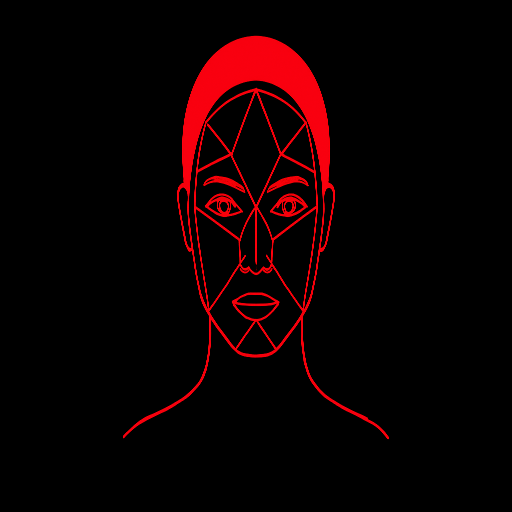
There's a reason makeup tutorials on social media often don't translate perfectly when you try them at home. The techniques might be perfect — for someone else's face shape. What works beautifully on a model with a defined oval face can look completely off on a round, square, or heart-shaped face.
Makeup isn't one-size-fits-all.
The placement of your blush, the angle of your contour, the shape of your brows
— all of it should be informed by your specific facial structure.
This guide is your deep dive into face-shape-specific makeup techniques. Whether you're a beginner just exploring contouring or a beauty enthusiast looking to refine your technique, this one's for you.
Why Face Shape Changes Everything in Makeup
Every makeup technique that
involves placement — contour, highlight, blush, even eyeshadow — works by
creating the illusion of depth, dimension, and proportion. Contour recedes.
Highlight brings forward. Blush adds warmth and life.
But the effectiveness of these
techniques depends entirely on where you place them relative to your features.
The same contour applied to a round face and a square face will produce
completely different results. And that's the point — because the goals are
different.
For round faces, the goal might be to add definition. For square faces, it might be to soften angles. For heart faces, it might be to balance the forehead with the chin. Face shape gives you the map for where to apply which product.
Contouring & Highlighting by Face Shape
Oval Face — Enhance What's Already There
Oval faces are already balanced,
so the contouring goal isn't correction — it's enhancement. A light contour
along the hollows of the cheeks and a touch under the jawline adds dimension
without changing the overall shape.
•
Contour: lightly along the hollows of the cheeks,
blending up toward the temples
•
Highlight: the center of the forehead, bridge of the
nose, cupid's bow, and center of the chin
• Blush: the apples of the cheeks, blending upward toward the temples
Round Face — Add Definition and Length
For round faces, the goal is to
create the illusion of length and reduce the appearance of width. Contouring
should create shadows along the sides of the face, and highlighting should draw
attention to the center.
•
Contour: the temples and hairline, along the sides of
the forehead, below the cheekbones extending toward the ears, and along the
jawline
•
Highlight: down the center of the forehead, down the
nose bridge, on the high points of the cheekbones, and the center of the chin
• Blush: apply higher on the cheekbones, in a diagonal line toward the temples — never on the apples of the cheeks, which adds width
Square Face — Soften and Curve
Square faces have strong,
angular lines — particularly at the jaw and forehead corners. Contouring is
used to soften these edges and add a more curved appearance.
•
Contour: the corners of the forehead (to round them),
along the sides of the face, and heavily on the jaw corners to reduce their
sharpness
•
Highlight: the center of the forehead, under the eyes,
the bridge of the nose, and the center of the chin
• Blush: apply in a soft circular motion on the apples of the cheeks — the rounded placement softens the angular geometry
Heart Face — Balance Top and Bottom
Heart faces have a wide forehead
and narrow chin. The contour and makeup strategy is all about reducing width at
the top and adding the illusion of width at the bottom.
•
Contour: the temples and sides of the forehead to
reduce width there; lightly under the cheekbones
•
Highlight: along the sides of the chin and jaw to add
visual width at the bottom; the center of the forehead
• Blush: apply in a soft horizontal sweep across the cheekbones — the horizontal placement adds width at the mid-face
Diamond Face — Showcase Those Cheekbones
Diamond faces have naturally
stunning cheekbones. The makeup goal is to let those shine while adding width
at the forehead and chin.
•
Contour: lightly along the cheekbones — don't
over-contour here, the bone structure already does the work
•
Highlight: the sides of the forehead, the center of the
chin, and directly on the cheekbones to make them pop
• Blush: apply in a wide, horizontal sweep across the cheekbones — emphasizing their width creates balance with the narrow forehead and chin
Oblong Face — Add Width, Reduce Length
Oblong faces are longer than
they are wide. The makeup goal mirrors the hairstyle goal: add perceived width
and reduce the appearance of length.
•
Contour: along the hairline at the top of the forehead
and the bottom of the chin to shorten the face
•
Highlight: the sides of the face — temples and cheeks —
to add perceived width
• Blush: apply horizontally across the cheeks in a wide, sweeping motion; this is one of the best face shapes for dramatic horizontal blush placement
Eyebrow Shaping for Your Face Shape
Your eyebrows frame your eyes —
and by extension, your entire face. Eyebrow shape can significantly alter how
your face shape appears.
•
Oval face: most brow shapes work; a soft arch looks
particularly natural
•
Round face: high-arched brows create the illusion of
length and lift — avoid flat, straight brows
•
Square face: softly arched or curved brows soften
angular features; avoid very sharp, angled brows
•
Heart face: low, flat arches work well; the gentler
shape softens the wider forehead
•
Diamond face: curved brows are ideal; they soften the
prominent cheekbones
• Oblong face: straight, horizontal brows add width and reduce the appearance of length
Eye Makeup Tips by Face Shape
Eye makeup placement — liner,
shadow, and mascara — can dramatically alter perceived eye shape and by
extension, face proportions.
Round Face
Wing your eyeliner upward to
elongate the eye. Focus mascara and shadow on the outer corners to draw the eye
outward rather than upward.
Square Face
Soft, blended smoky eyes work
better than sharp, defined liner. Avoid harsh horizontal lines — they echo the
strong horizontal jaw geometry.
Heart Face
Emphasize the lower lash line to
draw attention downward and balance the wider forehead. Lower lid liner and
mascara are your friends.
Diamond Face
Highlight the inner corners of the eyes to add width at the eye level. Avoid very dramatic outer corner emphasis, which can accentuate the narrow forehead.
Lip Shape and Face Shape
Lip liner placement can also be
used to create subtle shape illusions. For heart faces, a slightly fuller lower
lip visually balances the narrower chin. For square faces, a softer, rounded
lip application with less emphasis on sharp cupid's bow definition can
complement the look.
The key is subtlety. Lip shape changes are most effective when they're imperceptible as deliberate — you're not dramatically reshaping your lips, just nudging the proportions slightly.
Foundation and Face Shape
Foundation isn't typically used
for shape-related purposes, but coverage and finish choice matters. For faces
using heavy contouring, a matte foundation provides the best base — it doesn't
compete with the shadow products you're applying. For lighter, more
natural-looking makeup, a satin or luminous finish is beautiful on almost every
face shape.
The key thing foundation does for face shape is create a smooth, even canvas for the contour and highlight work to sit on. Patchy or inconsistent base coverage undermines the blending work you put into your sculpting products.
Frequently Asked Questions
Do I need expensive products to contour effectively?
Not at all. Technique matters
far more than price point. A drugstore matte bronzer and a light-reflecting
highlighter can achieve the same effect as premium products if applied and
blended correctly.
What's the difference between contour and bronzer?
Bronzer adds warmth and a
sun-kissed color to the face. Contour creates the illusion of shadow and depth.
Bronzer is applied where the sun would naturally hit your face. Contour is
applied where shadows would naturally fall. They're related but serve different
purposes.
I'm new to contouring — where should I start?
Start with a very light touch.
Use a matte powder that's just one to two shades darker than your skin tone.
Apply along the sides of your nose and lightly under your cheekbones. Blend
thoroughly — visible lines mean it needs more blending. Build up gradually
rather than starting heavy.
Can I use this face shape makeup guide if I'm a makeup beginner?
Absolutely. Start with the blush
placement recommendations for your face shape — they're the simplest and most
immediately impactful. Then experiment with light contouring once you're
comfortable. These techniques don't require expert skills, just a bit of
practice.
Does face shape change as we age, and does makeup need to adapt?
Gradual changes in face shape do occur with age — typically through loss of volume in the cheeks and changes in jaw definition. Makeup techniques might need slight adjustment over time, but the core face-shape principles remain relevant throughout life.
Conclusion: Your Face Is Your Canvas — Know It Well
Great makeup isn't about
covering up your features or looking like someone else. It's about
understanding your own face — its shape, its proportions, its strongest
qualities — and using products and technique to enhance what's already there.
Your face shape is the
foundation of that understanding. Once you know whether you're oval, round,
square, heart, diamond, or oblong, every contouring tutorial and blush
placement tip suddenly makes much more sense. You're not just following steps —
you're making informed choices.
Take the time to find your face
shape, then come back to this guide and start experimenting. You'll likely
notice a difference the very first time you apply these techniques — and once
you do, you'll never go back to one-size-fits-all makeup advice again.


0 Comments