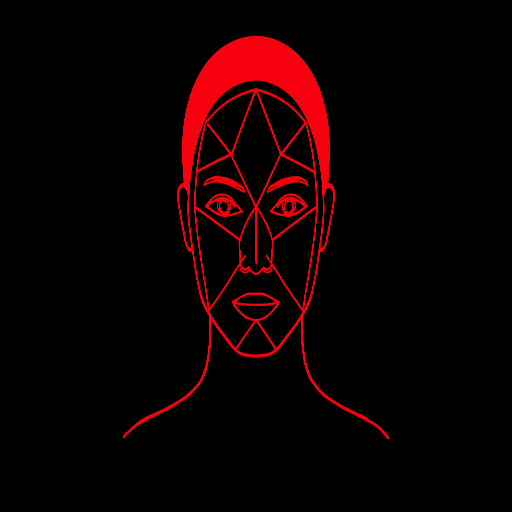
Square vs rectangle face shape: how to tell the difference
Compare square and rectangular face shapes by length, width and jaw outline, with a photo self-check and a clear explanation of where oblong fits.
The short answer: a square face usually looks fairly close in length and width, with an angular jaw. A rectangular face keeps a similarly structured outline but looks clearly longer than it is wide. If your face is long with softer jaw corners, many guides call it oblong. The names describe styling patterns, not fixed anatomical types.
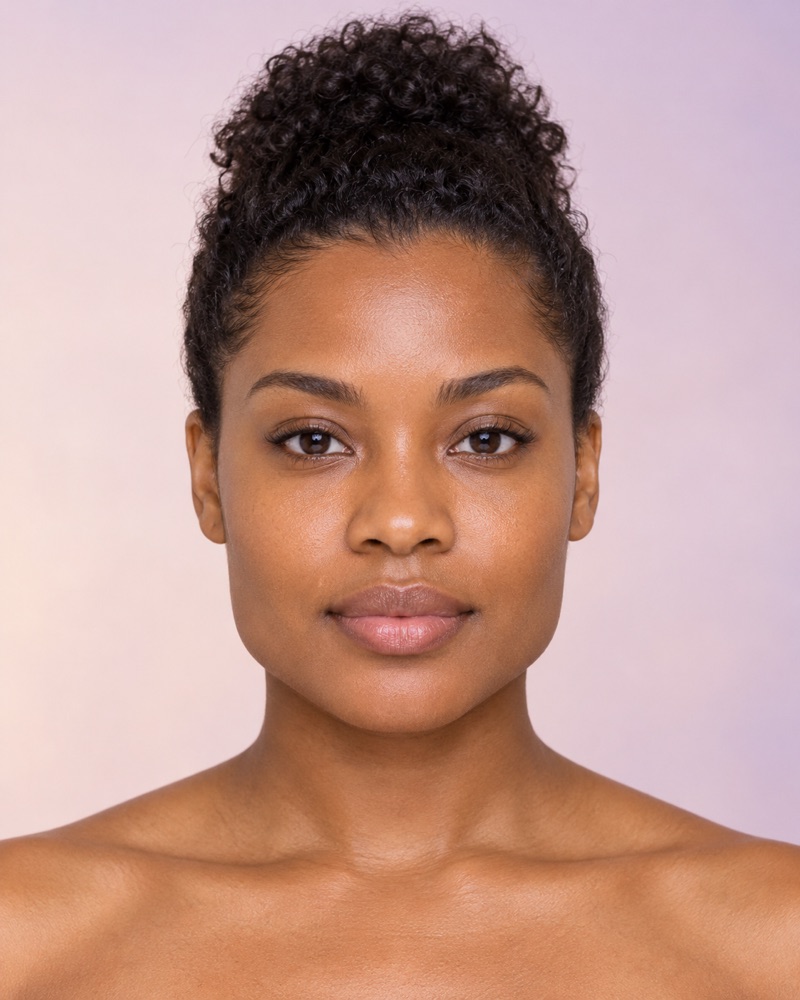
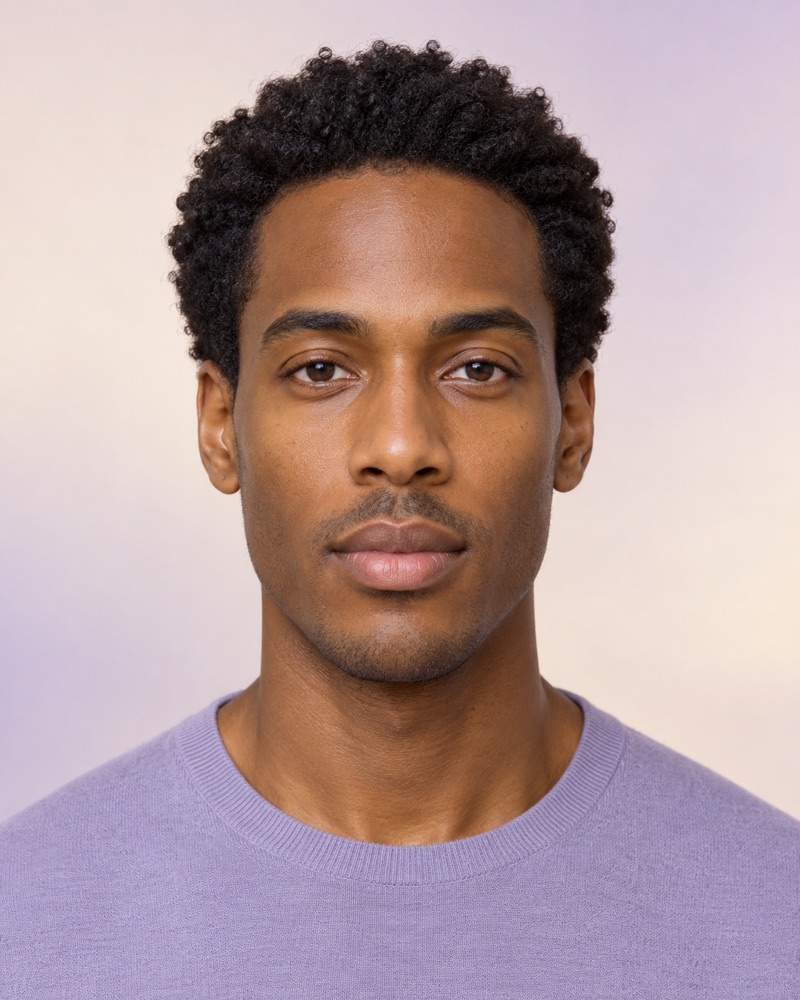
Square vs rectangle face shape at a glance
| What to check | Square tendency | Rectangle tendency |
|---|---|---|
| Length beside cheek width | Relatively compact; the two spans look closer. | Noticeably longer than the broadest cheek span. |
| Upper face, cheeks and jaw | Often fairly even, with limited taper. | Often fairly even too; this feature alone cannot separate the two. |
| Jaw outline | Usually has visible corners or straighter segments. | May have the same corners; a softer long outline may be called oblong. |
| Useful first question | Does the outline feel compact? | Does length remain obvious with hair pulled away? |
This broad distinction also appears in theNational Institute of Beauty's face-shape overview. Definitions vary between styling systems, so use the full pattern instead of a single rigid ratio.
A three-step check you can do with one photo
1. Make the outline visible
Use a front-facing, eye-level photo with a relaxed expression. Move hair away from the upper forehead and jaw, and stand far enough back that the photo is not an extreme close-up. Keep the same image for every measurement. Ourphoto checklist explains how to spot a tilted or poorly framed shot.
2. Compare length with cheekbone width
Draw one straight line from the visible upper forehead to the bottom of the chin, and another across the broad visible cheek area. Divide length by cheek width. A larger result describes a longer outline; the number does not, by itself, prove a particular face shape. Ourmeasurement guide shows exactly where this site's manual calculator places all four lines.
For example, imagine two photos measured in the same units. One shows a cheek width of 16 and visible length of 18, giving 18 ÷ 16 = 1.13. The other shows the same width and a length of 23, giving 23 ÷ 16 = 1.44. The second outline is visibly longer, even if both have broad, angular jaws. These areillustrations of the calculation, not diagnostic cutoffs. Do not compare a hairline-to-chin tape measurement with this site's visible upper-forehead-to-chin photo measurement; the start points differ.
3. Use the jaw as a second clue
Look at the transition below each ear. Clearer corners and straighter jaw segments support a square-like or rectangular outline. A smoother transition on a long face may be described as oblong. A wide jaw alone is not enough to call a face square: the length and the relative widths still matter. If the jaw is much wider than the upper face, compare thetriangle profile too.
Is a rectangle face the same as an oblong face?
The terms overlap. Some style guides use rectangle for a long face with more visible jaw corners and oblong for a long face with softer corners. Others group both under oblong. This site's seven-profile tool usesoblong for the longer, relatively straight-sided family; it does not return a separate “rectangle” label. Read theoblong guide if your face looks long, and the square guide if it looks compact with a defined jaw.
What if the photo analyzer calls it square one day and oblong the next?
First inspect the measurement overlay. Hair or a beard can hide the jaw; tilt and camera position can alter the visible outline. Very close photos also change apparent facial proportions through perspective. Apublished camera-distance model demonstrates that effect for facial features. Retake a level photo from farther away, then compare the displayed length-to-cheek ratio and the runner-up profile. The underlyingMediaPipe Face Landmarker locates facial landmarks; this site's separate rules interpret their proportions. Neither step establishes an objective, permanent face-shape label. See how to read uncertain results.
If you sit between the two
Keep “longer square-like outline” as a useful description. A borderline result does not require a tie-breaker. Compare styling ideas from both guides and choose the effect you prefer.
Does the difference change hair or glasses choices?
It can change the visual effect you want to try. For a compact, angular outline, height at the crown or a more vertical hair silhouette can add contrast; soft movement around the jaw can also play against the angles. For a longer rectangular outline, side volume or a fringe can make the face look less vertically dominant. None of these is a rule about what you “should” wear. Hair texture and daily upkeep still decide whether the cut works; ourhairstyle guide helps with that choice.
With glasses, compare frame depth and width on your actual face. A deeper lens may interrupt a long vertical outline, while a rounded rim can contrast with a defined jaw. Bridge comfort, temple pressure and cheek clearance are more practical than a face-shape chart. Use theglasses fit guide before choosing by outline alone.
Questions people ask
Can I have a square jaw and a rectangular face?
Yes. “Square jaw” describes the lower contour; “rectangular face” describes an overall longer outline with relatively even widths. They can describe the same person.
Is a rectangular face automatically oblong in this tool?
The tool has an oblong category, but its result depends on the measured length and other contour widths in the submitted photo. It can suggest a neighboring shape or ask for a retake. Treat the label as a styling starting point.
Which measurement matters most?
To separate square from rectangle, compare visible face length with cheekbone width first. Then check whether the upper face and jaw stay relatively even and whether the jaw is angular. One number or one feature is too little.
It describes this site's seven styling profiles and implemented photo measurement method. The examples are hypothetical, and this is not a clinical classification or independent validation of the analyzer. The linked beauty-school overview supports the broad shape descriptions; Google's documentation describes the landmark model; the camera-distance study supports the perspective caution. Read themethod for the site's specific rules.
Ready to explore your own proportions?
Try the photo analyzer or use the manual calculator. Keep the result in perspective: your style is yours to choose.